

Key takeaways
- Pick a few services you can do well (garage door installation, repairs, smart tech) and avoid trying to do everything from day one.
- Budget smart ($6k–$25k), get legal stuff sorted early, and price your work so you’re not broke or burned out.
- Get customers fast with Google reviews, local ads, and word-of-mouth. Then, keep them by simply showing up and doing good work.
Starting a garage door business can make good money.
And the garage door industry is growing.
It shows that the demand for garage doors will continue to rise.By 2030, it’s expected to reach 9.35B USD.

But without a comprehensive business plan that outlines the steps to starting and growing your business, it gets messy fast.
This guide shows business owners like you how to start and move fast without wasting time.
You’ll see what it really costs, how to set prices, how to get potential customers in, and how to keep things moving.
It’s all laid out step by step, so you don’t have to guess.
Step-by-step plan for a garage door business that makes money
Step 1 – Pick the right type of garage door services so you don’t spread yourself thin
Start by deciding whether you want to work with homeowners, businesses, or a mix of both.
Residential jobs are usually easier to book and faster to finish.
Commercial work pays more, but it can take a while to land those contracts.
If you have the skills, it’s better to offer a mix of services.
Installation services bring in big checks upfront.
Garage door maintenance and repair services keep cash coming in when things slow down.
If you can handle emergency calls, that’s a good way to bring in higher-margin work without needing more marketing.
And if you’re into smart tech, that space’s blowing up. The smart home market hit $127.67 billion in 2024, and it’s heading toward $1.4 trillion by 2034.


Smart homes aren’t slowing down, and smart garage doors are part of that trend.
More people want openers they can control from their phones… and the numbers show it.

So, if you can offer installations for WiFi-enabled openers, it makes it easier to stand out.
Just try to start simple, especially if you’re a one-man team.
Don’t offer too much at once.
Focus on the jobs you know you can deliver well.
Once you’ve got a steady flow of work, you can add more to elevate your garage door business.
Some solid services to start with:
- New door installs for new builds or replacements
- Spring replacements (common and quick)
- Opener repair and installs (especially smart ones)
- Track and panel fixes
- Annual maintenance plans for homes or businesses
Later on, you can branch out into things like custom doors, insulation upgrades, or better locks.
Those can help boost your profits without needing to book more jobs.
Step 2 — Get clear on costs so you don’t run out of cash
Most people spend somewhere between $6,000 and $25,000 USD to get started.
It all depends on where you’re working and how much gear you already have.
But it should cover tools, basic parts, insurance, and licencing.
For tools and equipment, you’ll need drills, ladders, wrenches, and winding bars for springs.
Make sure you’ve got gloves, safety glasses, and other protective gear.
That stuff isn’t optional.
For bigger jobs, rent tools at first until you know what kind of work keeps coming in.
Once the same jobs keep coming in and your business grows, that’s when it makes sense to buy the right equipment and garage door software.
You’ll also need a solid van or truck.
It doesn’t need to be new.
A decent vehicle with enough space for your tools and parts will do.
When you’ve got a bit of extra cash, put your branding on it.
It turns your van into free advertising.
Make room in the budget for a few more things:
- Business registration and legal setup ($600–$2,000 USD)
- A simple business website and Google profile ($600–$2,500 USD)
- First round of marketing your garage door business, like flyers, signage, maybe some online ads ($1,300 USD)
Keep a buffer for surprises.
The first few months always bring surprises, like missing tools or extra parts. Make sure you prep for these, too.
Step 3 – Get the legal stuff sorted early so you can protect your business
You’ve got two main options to start your new business: register your business as a sole trader or set up an LLC.
Going solo is cheaper and easier, but an LLC gives you protection if something goes wrong.
If you’re thinking long-term, the LLC is usually the safer bet.
Also, before you start taking on work, check if you need a contractor’s business licence in your area.
Some places are strict about this, others are more relaxed.
Either way, get it sorted early so you don’t end up with fines or a stop-work notice.
You’ll also need to set up a business bank account.
Keeping your work money separate makes tax time way less painful.
It’s a small step now that saves a lot of stress later.
Lastly, make sure you’ve got business insurance in place.
It protects your business in case of accidents.
General business liability covers accidents or damage during a job.
If you plan to hire anyone, like garage door contractors, you’ll also need workers’ comp.
These are the things that keep you covered when stuff goes sideways.

Step 4 – Don’t undercharge just to get jobs
If you don’t know how to price your services, start by looking at what other garage door businesses are charging in your area.
That’s how you can get an idea of your own pricing strategy.
You don’t need to match their prices, but you should know where you stand.
Too low and you’ll be working hard for nothing.
Too high without the right pitch, and the calls stop coming in.
Here’s a rough breakdown to work from for the garage door installation and repair business:
- Basic repairs (like spring replacements or quick fixes): range from $80 – $700
- Mid-level work (panel swaps, track repairs): between $754 and $1,696
- Full installs (new doors, openers, insulation): average of $1,500
When you set your prices, make sure you’re covering everything.
Factor in the parts, labour, fuel, travel time, overhead, and business operations.
Undercharging is a fast track to burnout and prevents you from creating a thriving garage door business.

It also helps to offer a few clear service options.
Some people just want the basics.
Others are willing to pay more for a full job done right.
While it may be tempting, skip the constant discounts.
It might get attention early on, but it won’t get you repeat business with your exsiting garage door clients.
It also cuts into your margins and trains people to wait for deals.
Focus on doing solid work, providing exceptional customer service, and building trust instead.
These will set your business apart.
People will pay if they know you’ll get it right.
Step 5 – Find customers fast with the right marketing
If you’re running local garage door solutions, start close to home.
When someone’s garage door breaks, they search for garage door help online.
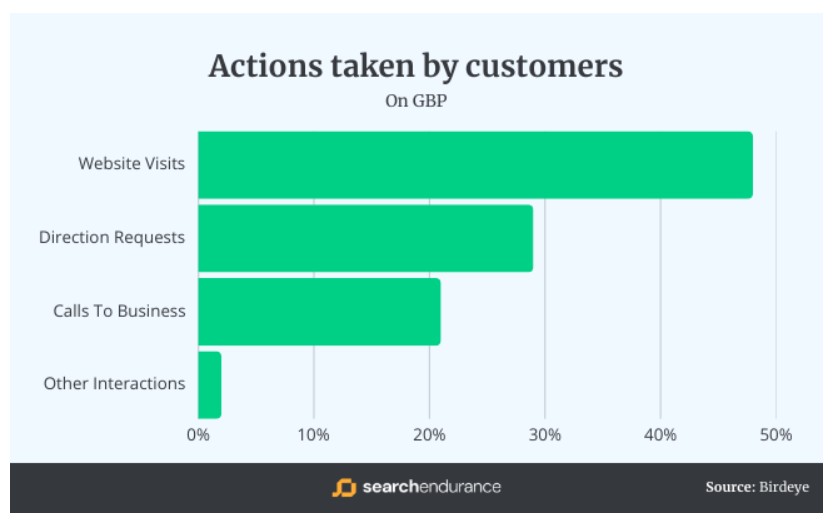
Make sure you show up. Set up a Google Business Profile with your name, phone number, service area, and photos of your work.
Keep it complete and up to date so you can show up higher in local searches.
After each job, ask the customer for a review.
Customers’ feedback is essential for growing your garage door business.
It takes a minute, and it’s one of the easiest ways to build trust and get more calls without spending a penny.
Reviews are like digital word of mouth, and that’s still the best way to advertise your garage door business.
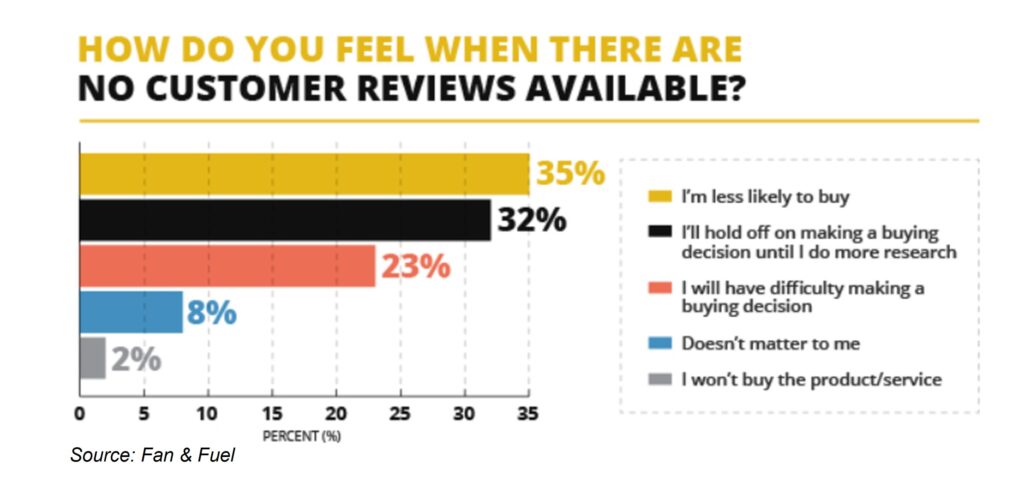

One survey found 92% of people read reviews before choosing a local business. That’s why your online presence matters more than you think.

If you have a small budget, run a few local Google Ads.
Use simple search terms like “garage door repair near [your town].”
These kinds of ads usually convert better than broader ones.
Social media can help, too.
Facebook and Instagram are good places to show before-and-after photos of your work.
Try a few posts or ads and see what people respond to.
But you don’t have to rely only on digital.
Print some flyers with your garage door repair and installation services and contact info.
Flyers are old school, but they’re still one of the most effective marketing strategies.
Drop them in neighbourhoods where the houses are 10 to 15 years old.
Those doors are starting to wear out, and people might need your service.
Put signs near busy roads or at job sites (if the customer’s fine with it).
It’s easy exposure in the right areas.
Also, talk to people who can send you steady work.
Realtors, builders, and property managers often need someone they can count on.
Introduce yourself and business name, and let them know you’re available.
Keep it simple. Be visible, be clear, and make it easy for people to reach you.
Step 6 – Run jobs smoothly so people call you again
Once the calls start coming in, the goal’s to keep things steady.
You don’t need to run everything perfectly, but small things can make a big difference.
Set up call forwarding if you’re often out or on a ladder.
Even just having a voicemail that sounds professional helps and differentiates your business.
People move on quickly if they don’t get a response.
Also, be clear about your schedule.
If you’re booked for two days, say so.
Don’t try to squeeze in too much.
Most people just want to know what to expect.
But try to provide a clear time window for each job.
And if something changes, send a quick update.
It also helps to keep common garage doors and components on hand, like springs, rollers, and brackets.
Doing so will help you save time and make the job quicker for everyone.
Then, after the job, check in.
A quick message to ask if everything’s working can lead to more bookings later. It keeps you in their mind.
And when things slow down, offer a seasonal check-up.
It gives past customers a reason to call you again and keeps the schedule from going too quiet.
Step 7 – Grow when the timing feels right
You don’t have to scale fast.
But if you’re turning away work or feeling stretched, it might be time to grow a bit.
Start small by subcontracting extra work.
It’s a way to take on more without jumping straight into hiring full-time help.
You can also earn more by offering extras during a job.
Smart garage openers are an easy add-on for people who want more control and convenience.
You’re there anyway. Might as well try to upsell them.
Maintenance plans are another way to keep money coming in.
Some people like knowing their door’s been checked and won’t fail when they least expect it.
You can offer a simple yearly service that can bring in steady income without a lot of effort.
And if things continue to go well, reinvest a bit.
A better website, a bit of SEO work, more targeted ads, and smart garage door marketing ideas can help bring in new jobs without needing to chase them all the time.
Marketing plans are useful but actually doing the work’s better
Most people overthink the start.
They wait until everything’s perfect — the tools, the website, the marketing.
But most of that stuff can be figured out as you go.
What matters more is getting that first job, doing it well, and showing up again the next day.
That alone sets you apart from a lot of people in this trade.
And no, you don’t need to be the cheapest.
People are happy to pay more if they trust you’ll do it right… and not vanish if there’s a problem.
Reliability is worth more than a discount.
Marketing doesn’t have to be complicated either.
You don’t need to create a comprehensive business plan or develop a marketing plan that you won’t use later on.
You also don’t need to post every day or spend thousands on ads to move your business forward.
A simple, steady business strategy can keep the phone ringing without burning you out.
If you’re feeling overwhelmed, you can get some help from a garage door marketing agency or a business consultant.
It is always best to partner with professionals who know the ins and outs of marketing.
So don’t wait until everything is polished before you start a garage door repair business.
If you’ve got the skills, the rest will come.
Get your tools in order, set up the basics, and take whatever jobs you can at the start.
